
Last year I went to Relic Fest in Toulouse and played my first Modern tournament after many years away from competitive Magic. I brought a Budget Dino Whack deck and had pretty modest expectations: learn, have fun and, with a bit of luck, win a game or two. I went 1-7 and finished 134th out of 144 players, but I had a great time and was eager to come back.
So this year I returned to Relic Fest to play the Modern Main Event, which took place yesterday, Sunday, November 1. And things went rather differently!
Saturday
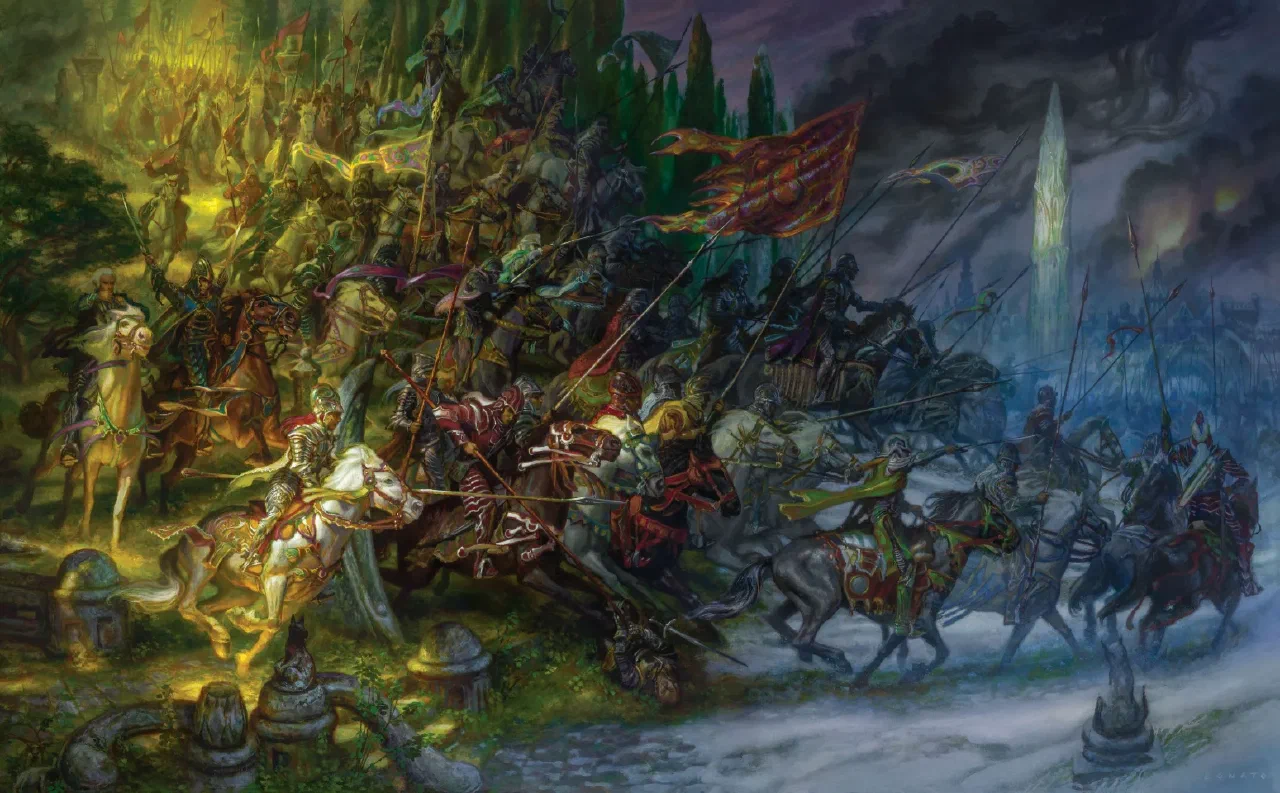
The main reason I got excited about travelling to Toulouse last year to play in a tournament for a format I had never seriously played was the official playmat illustrated by Rebecca Guay. This year I didn’t know the artist (Donato Giancola) and, to be honest, I wasn’t that keen on the illustration (it’s the cover of this post). But since we were there, I thought buying the playmat and asking the artist to sign it would make a nice souvenir. That’s what we did on the first day, and I have to say Mr. Giancola was incredibly kind!
Sunday
This time I entered the tournament with Domain Zoo. It’s an archetype I really like (I also play a version in Pauper), and multicolour decks are generally my favourites. It’s obviously much more competitive than last year’s deck: it combines very efficient creatures with plenty of interaction and can have explosive starts thanks to the combo of Leyline of the Guildpact and Scion of Draco .

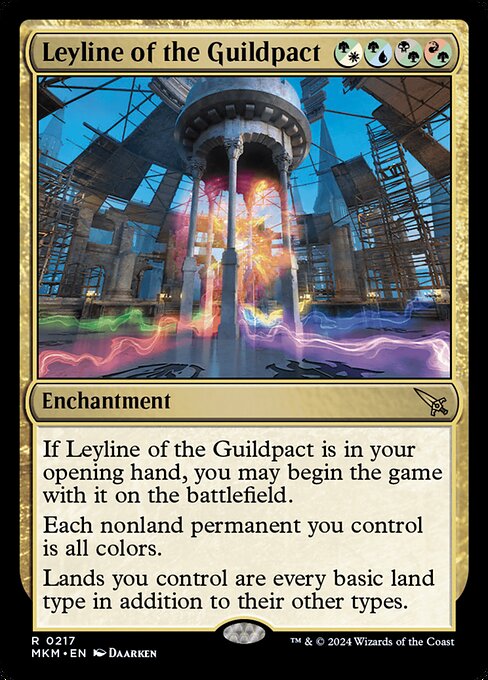
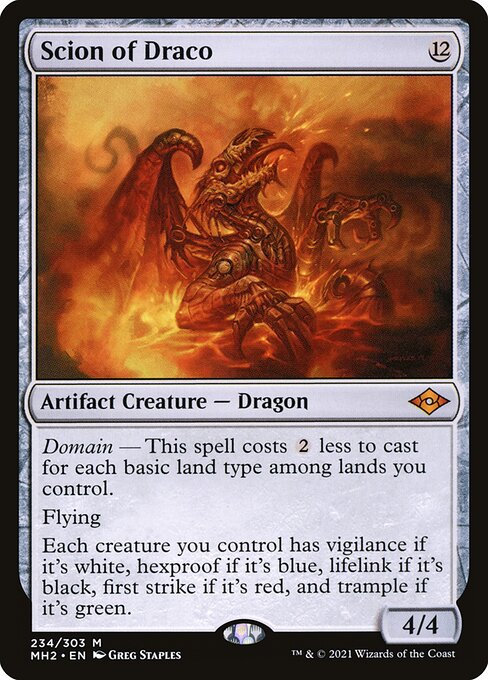
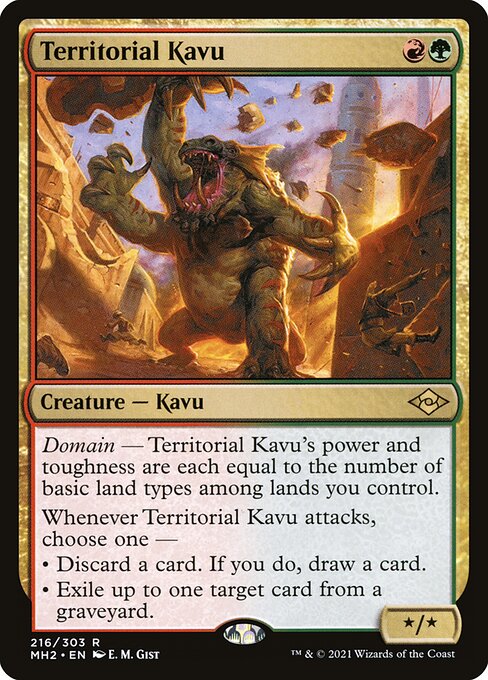

The idea is simple: once we have Domain, we can cast Scion for just . It gives our creatures several abilities, such as hexproof, lifelink, vigilance, trample or first strike (or all of them if we have Leyline !). On top of that, Territorial Kavu becomes a 5/5 for only .
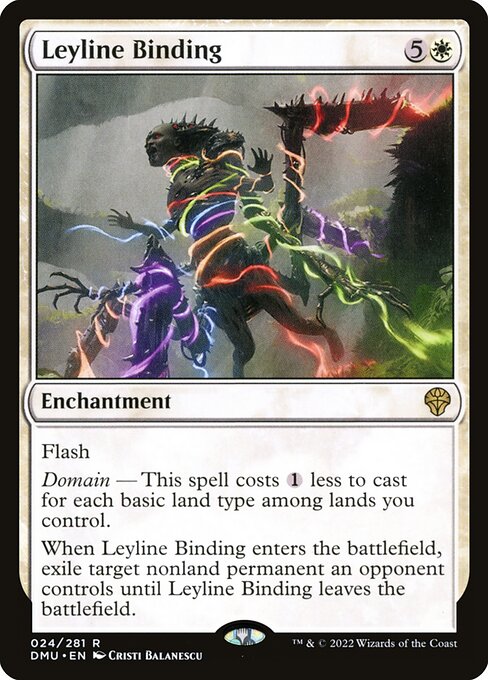
The deck also has a more interactive game plan, with Lightning Bolt , Leyline Binding and creatures like Phelia, Exuberant Shepherd letting me answer my opponent’s threats while building my own board.

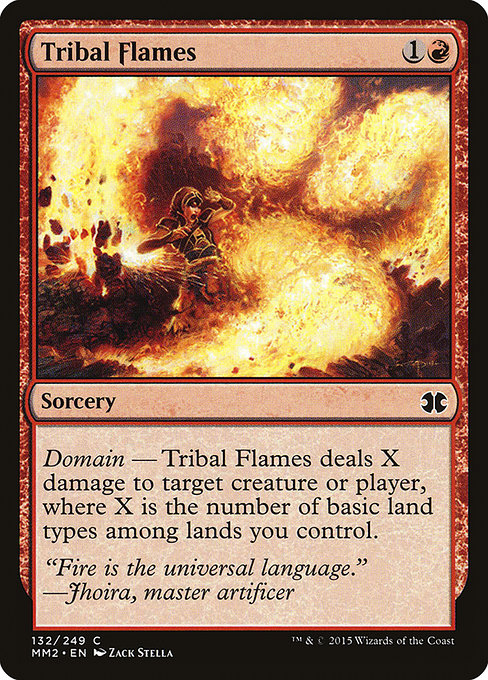
I spent a long time deciding which version of Domain Zoo to play. Lately the more aggressive version seems to be taking over, closer to the deck’s original build, with Wild Nacatl and Tribal Flames . I was also tempted by the version with Psychic Frog . But given how things went, I’m very glad I chose the Phelia version!

Let the tournament begin!
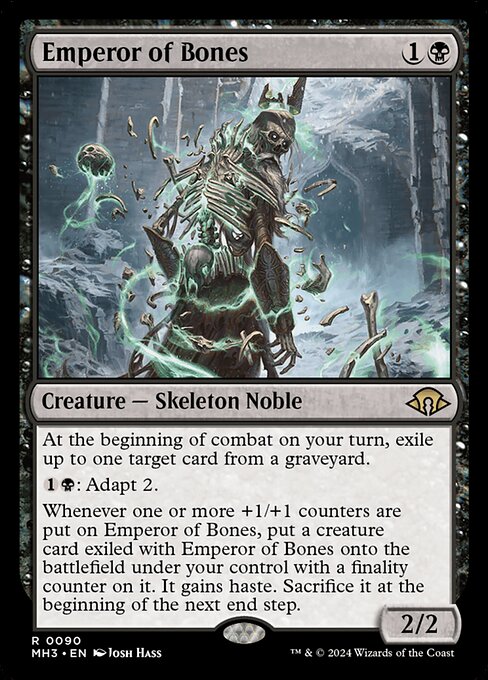
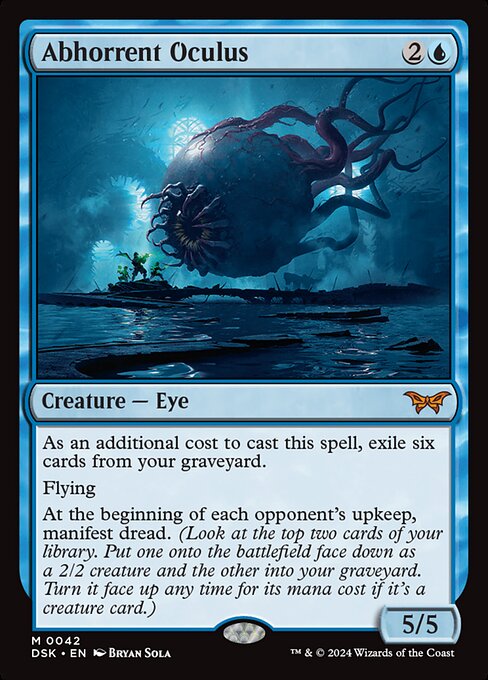
My first opponent is on Grixis Reanimator, with creatures like Emperor of Bones , Abhorrent Oculus and Archon of Cruelty .


Game 1
He goes first. I mulligan to six and he goes to five. Despite the initial card advantage, the game is very close. We both have plenty of answers to each other’s threats and spend a long time trading resources.
I use Bolt to kill an Emperor and several Binding to exile another Emperor , an Oculus and even an Archon that he reanimates with Persist .
It’s a long game with plenty of back and forth, but I eventually come out on top. That’s the first game!
Game 2
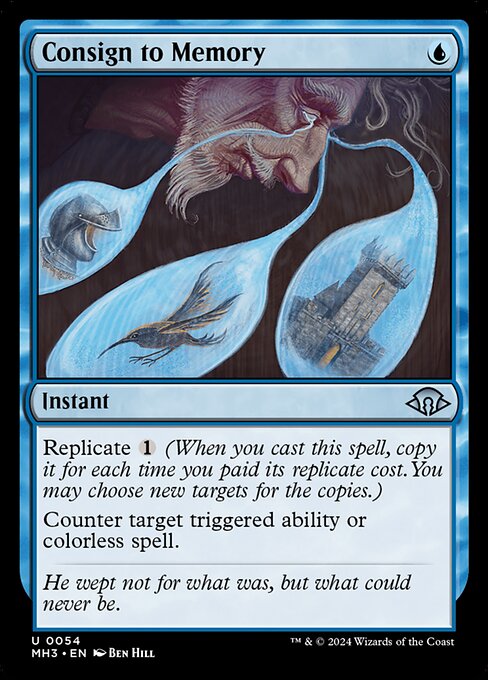
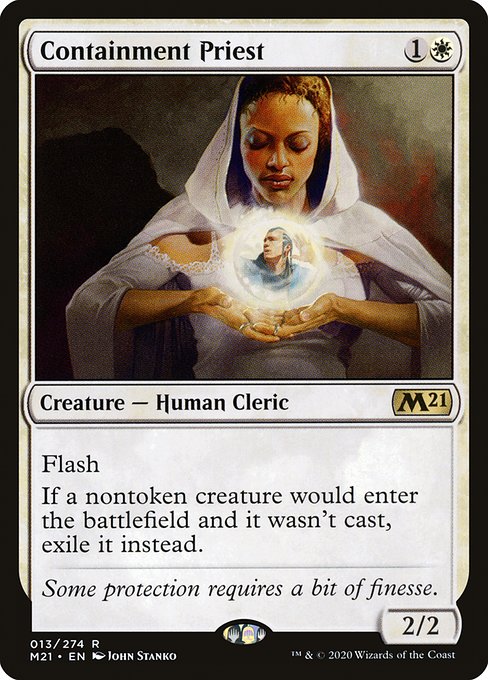
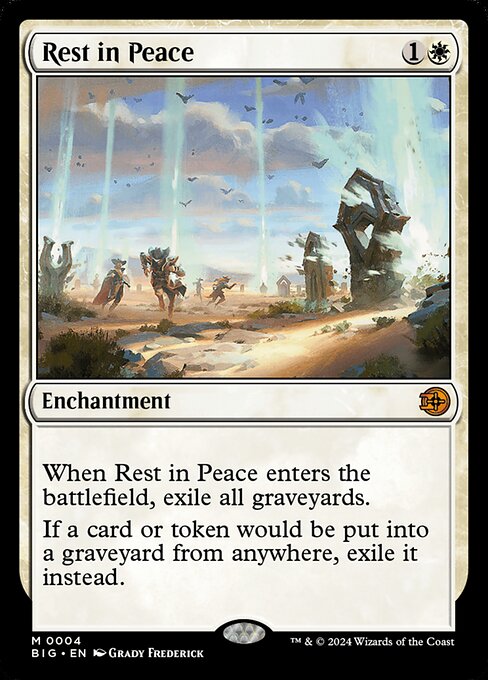
For sideboarding I take out all three Phelia and two Consign to Memory . They have some uses in this matchup, but I wasn’t very impressed with them in game one. I bring in two Containment Priest , one Rest in Peace and two Mystical Dispute . Honestly, I’m not sure it was the right call, but it worked out…
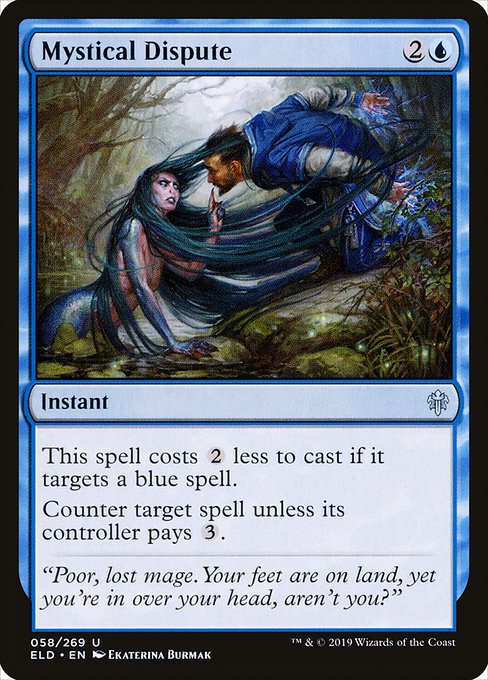
This time I don’t need to mulligan. He opens with Thoughtseize , but I already have Leyline on the battlefield.

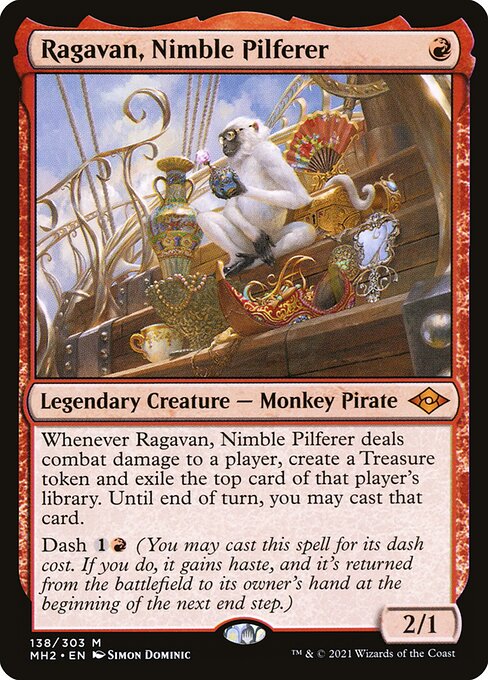
I try to play patiently and not rush. The game lasts a few turns, but this time I feel in control almost the whole way. I keep his threats in check and a Ragavan, Nimble Pilferer connects two or three times.
I take the second game, too. Starting the tournament 2-0 feels fantastic, especially after last year’s result!
My second opponent is on Jund Goblins, with the combo of Conspicuous Snoop , Kiki-Jiki, Mirror Breaker and Sling-Gang Lieutenant . I was surprised to see the deck at the tournament, but I knew it because LVD played it on Arena last week.

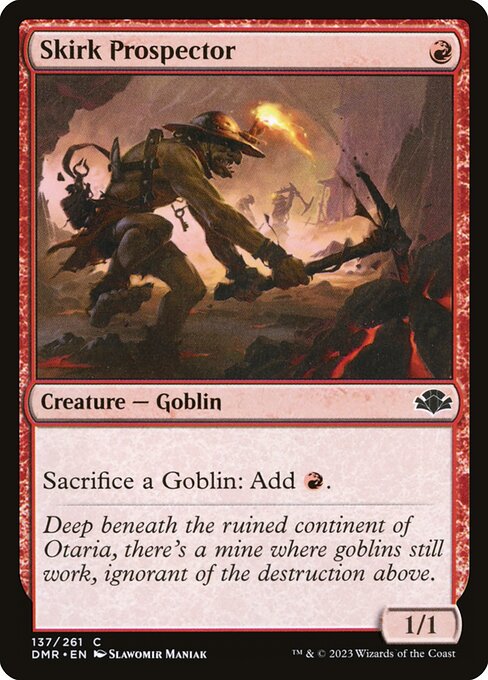


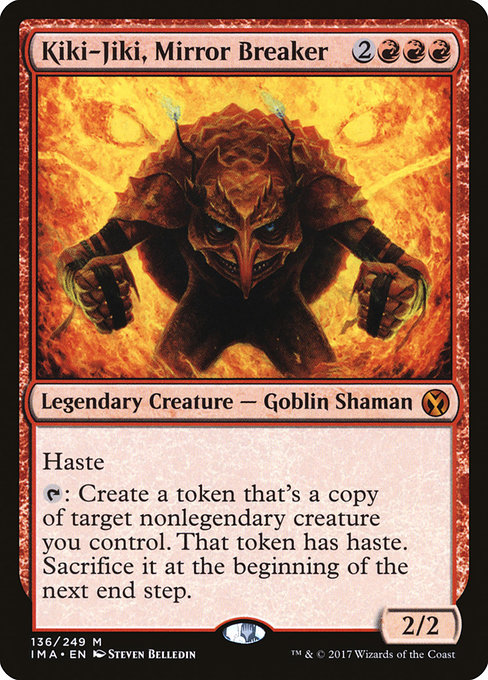

Game 1
He goes first. I mulligan to six and keep a hand with Leyline , Ragavan and a Thundering Falls , but only one land.
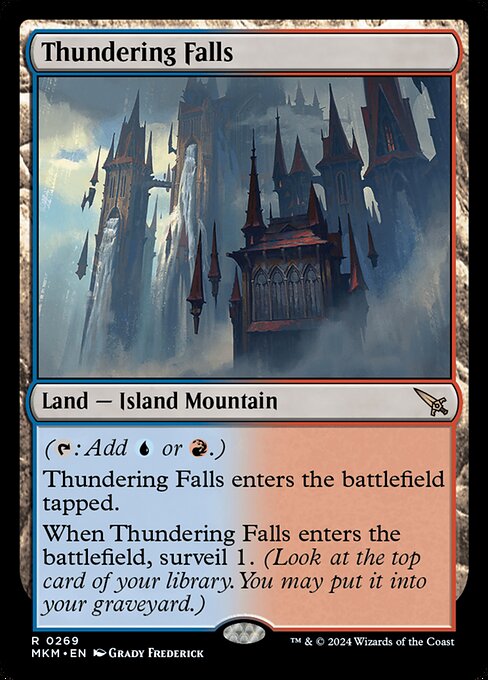
It’s not ideal, but I figure that if Ragavan connects and I draw a second land soon, I can get off to a good start. Unfortunately, my opponent kills Ragavan with Munitions Expert before it can attack, and I don’t find my second land until turn four.
He doesn’t put on much pressure, but keeps adding Goblins to the board, including Taster of Wares , a 3/2 Goblin that lets him reveal cards from my hand and exile one.

Toward the end I think I might still stabilize: I have two 5/5 Kavu , while his creatures are much smaller. But I’m low on life and he has far more Goblins than I have blockers. He eventually attacks for lethal.
Game 2
This time the tables turn. My opponent mulligans and keeps a one-land hand.
Now he’s the one with mana problems. He can’t get his game plan going, and I take advantage to win without much trouble.
The match is tied.
Game 3
He goes first. I keep seven with Leyline and Scion .
On turn two I play a 4/4 Scion with flying, hexproof, vigilance, lifelink, first strike and trample. A nightmare for a deck trying to win with small creatures (or an infinite combo that my opponent never manages to assemble).
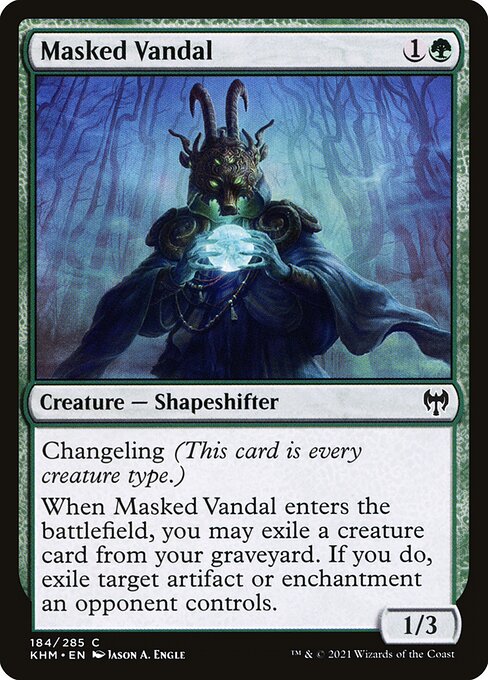
My opponent desperately looks for an answer and finds one with Masked Vandal , exiling my Leyline and leaving Scion vulnerable. But the damage is done. Scion has connected about three times and I’ve gained a lot of life. With no clear way to get past it, my opponent concedes at two life.
Second round won! I’m 2-0 in matches.
Round three is the mirror match against another Domain Zoo deck.
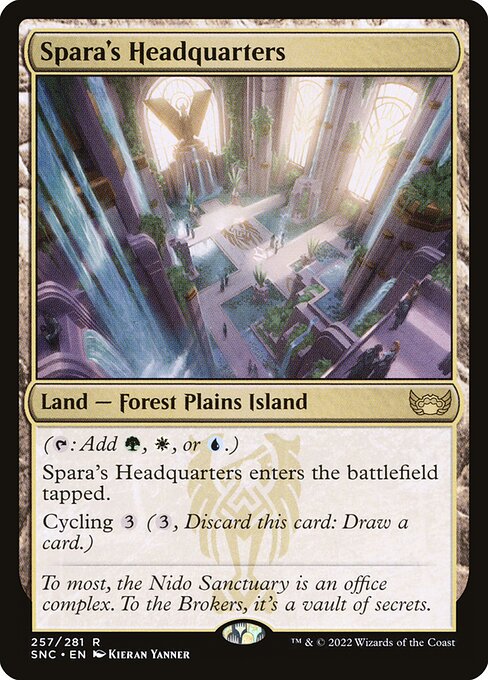
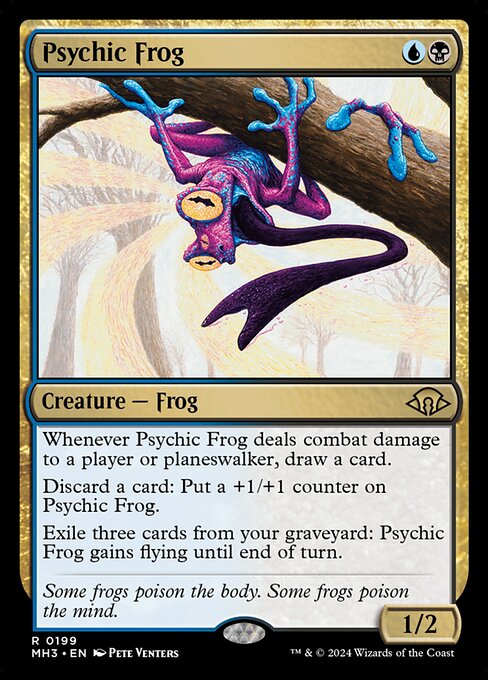
His version has some interesting differences. He plays Spara's Headquarters as his triome, runs just one basic Mountain, and includes Frog and one Emperor (I found out the exact card count later, of course).

Game 1
He goes first. I mulligan to six, if I remember correctly.
Neither of us has Leyline to start, and the game is fairly even. But he takes the initiative and, despite my attempts to fight back, wins convincingly.
Game 2
I make some sideboard changes, taking out cards like Bolt , Ragavan and Stubborn Denial and bringing in Wear // Tear and Dispute . One curious detail: my opponent had a sideboard guide that he checked after each game to decide what to bring in and take out. Not a bad idea, especially in a format with as many different archetypes as Modern. I wonder if it was the guide Pleyboy shared a few days ago on the Domain Zoo Discord…

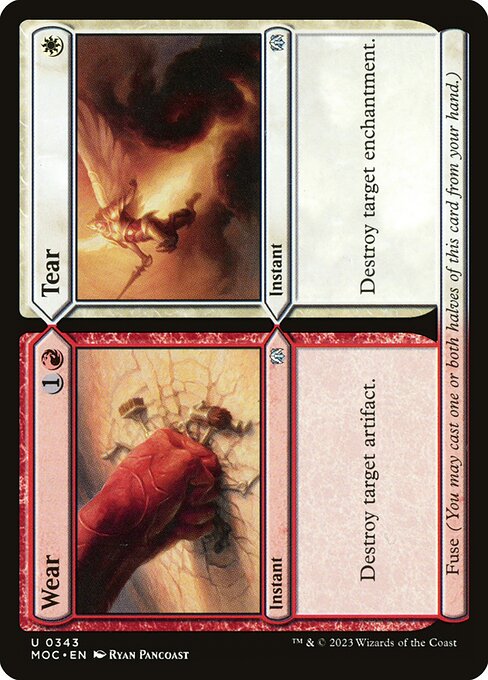
The second game is much more interesting. My opponent is in control for much of it and manages to play Leyline on turn four. He also has a Scion , which gives his creatures all the abilities it grants.
I have Domain too, but no Leyline . My Scion is just a flying 4/4 and can’t profitably block his.
Little by little, though, I build a stronger board. I play a second Scion and a Quantum Riddler .

Then I finally draw and play my own Leyline ! The situation changes completely. My creatures gain all the abilities from Scion , and I go from defending to having a clearly superior board. My opponent sees it and concedes.
Game 3
I adjust my sideboard again for the third game, bringing back some of the cards I had taken out.
The game is close again. We both play two Kavu , but there’s an important difference: my opponent gets stuck on two lands and Domain 4. His Kavu are 4/4s while mine are 5/5s. It may not sound like much, but in a mirror match it’s huge.
I get Phelia and Riddler onto the battlefield. At a decisive moment I cast Riddler with warp and give it haste with Arena of Glory .
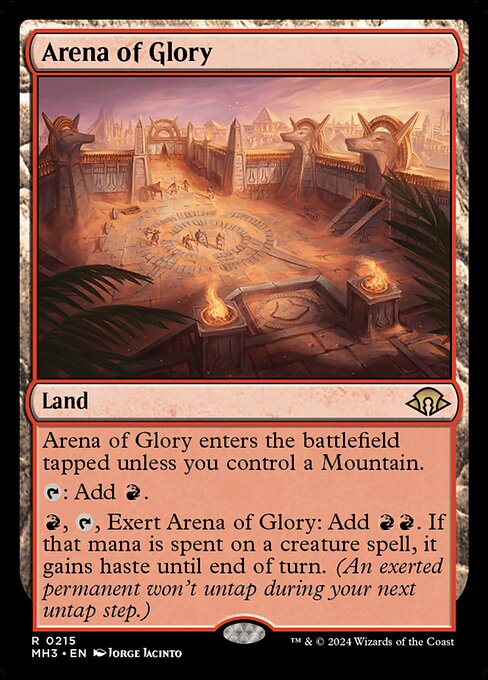
I attack with everything and use Phelia ’s ability to temporarily exile my opponent’s Frog , removing one of his blockers.
The attack is enough to win.
After the match, DreekC asks what I think of the Phelia version of Zoo. It feels strange to be asked, since I’m nowhere near an expert in Modern or this deck, but I tell him it’s been working well so far and that I appreciate Phelia ’s versatility more with every game.
Three rounds, three wins. Things are getting serious!
In round four I face Thomas, who is playing Esper Blink, one of Domain Zoo’s worst matchups. He’s one of those people whose experience is obvious just from the way he shuffles and handles his cards. Naturally, he has also made it to round four with three wins, so this will be a tough one.

Game 1
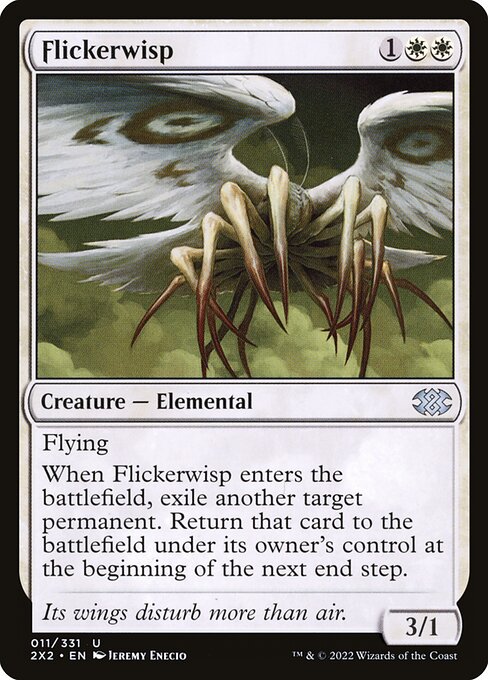
I think I mulligan to six. Either way, I keep what looks like an excellent hand: Leyline , three lands, Riddler and Scion .
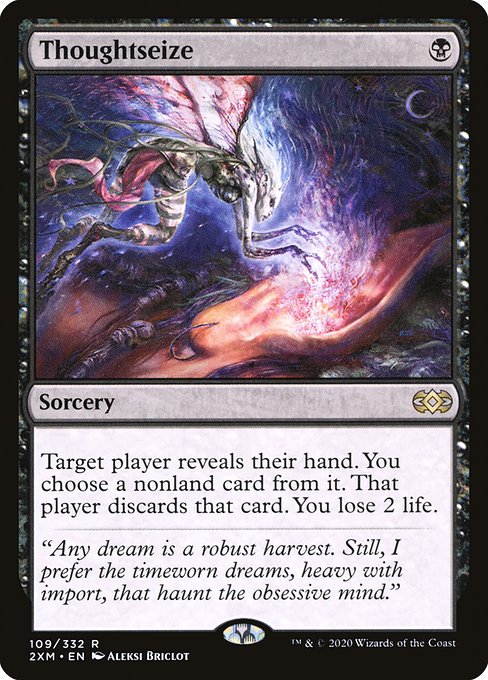
The problem is that he goes first. On turn one he casts Thoughtseize and takes Scion of Draco . On turn two, another Thoughtseize leaves me without Riddler either. Suddenly that promising hand has very little to do.
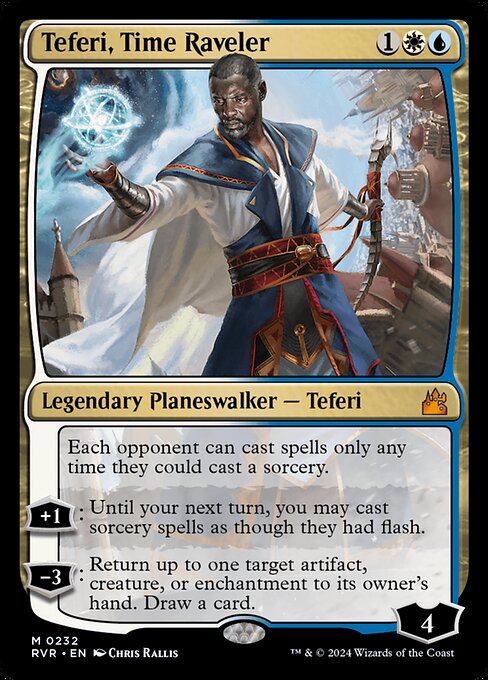
To make matters worse, he also plays Teferi, Time Raveler , which severely limits my ability to interact on his turn. I have cards like Bolt and Consign , but with Teferi on the battlefield I can’t use them the way I’d like. In fact, Teferi leads me to make a costly mistake. My opponent has an Emperor with one of my Quantum Riddlers exiled under it. I try to kill the Emperor with Bolt in my main phase, forgetting that he can respond by activating adapt 2.

Of course, that’s exactly what he does. The Emperor becomes a 4/4, survives the Bolt , and my attempt to remove it wastes a card.
I try to hang on and find a way to regain the initiative, but there’s nothing I can do.
Game 2
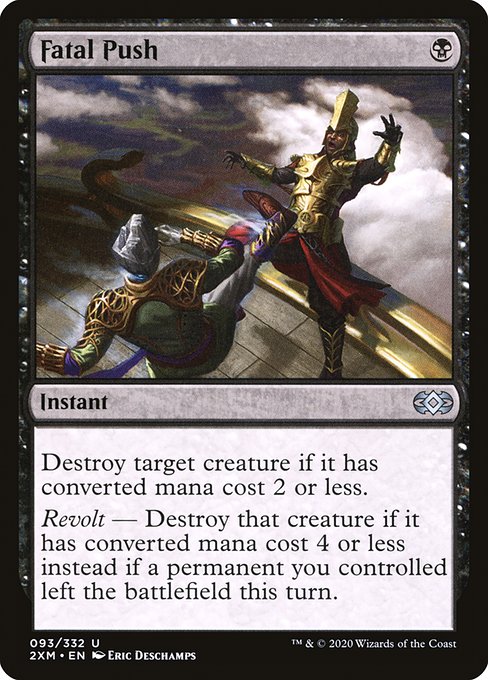
The second game isn’t much different. I mulligan again, and Thomas controls the game very confidently. Another Thoughtseize , a Fatal Push for my Kavu , and a Prismatic Ending …

My first loss of the tournament. My opponent played very well, and I had almost no real chance to win. A good lesson in the gap between knowing the cards in a format and really knowing how to play it.
Still, at 3-1, I’m very happy with the result!
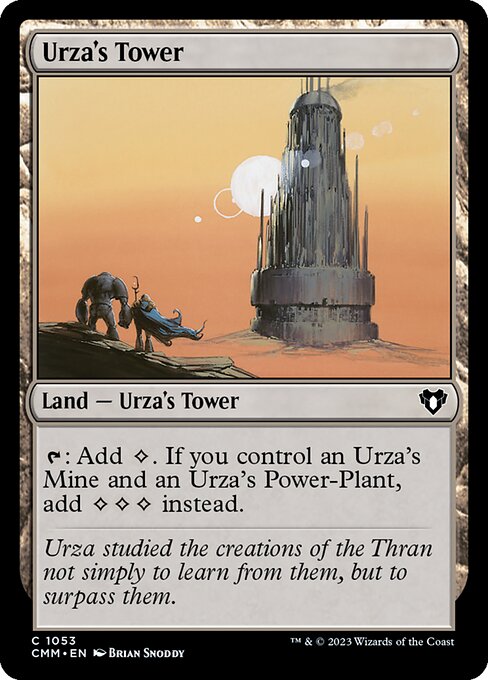
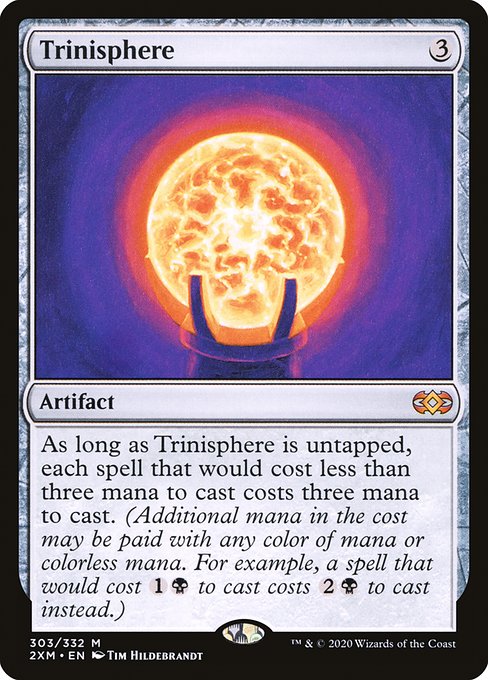
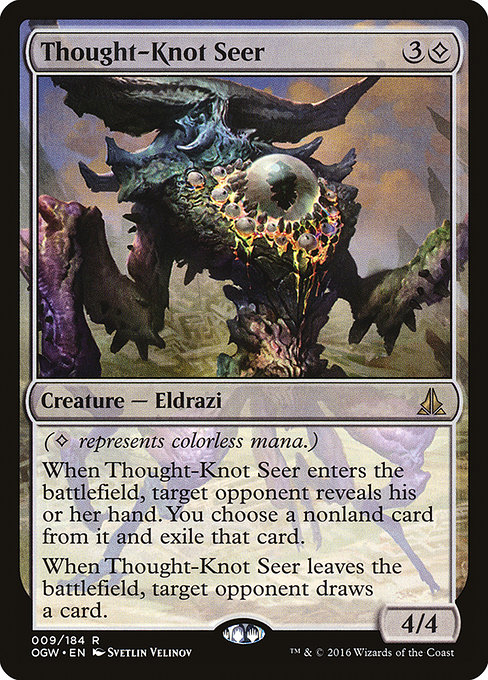
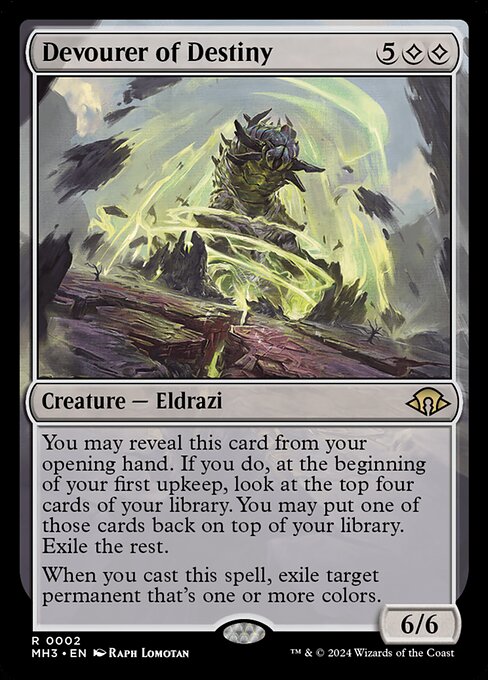
In round five I play Aurore, who’s on Tron-Eldrazi. I’m not entirely sure which exact version.

Game 1
I’m on the play.
I lead with Ragavan on turn one, but Aurore kills it with Dismember . I don’t remember all the details of this game. We trade resources several times, and I eventually come out ahead.

Game 2
I keep a one-land hand. I start with Leyline and manage to play Scion . It’s a good start, but I struggle to find lands and can’t develop at the pace I want. She destroys the Leyline with Ugin, Eye of the Storms , taking away Scion ’s hexproof, and then removes it.
Things get complicated from there, and I lose.
Game 3
For sideboarding I had brought in the third and fourth Consign and two Obsidian Charmaw .
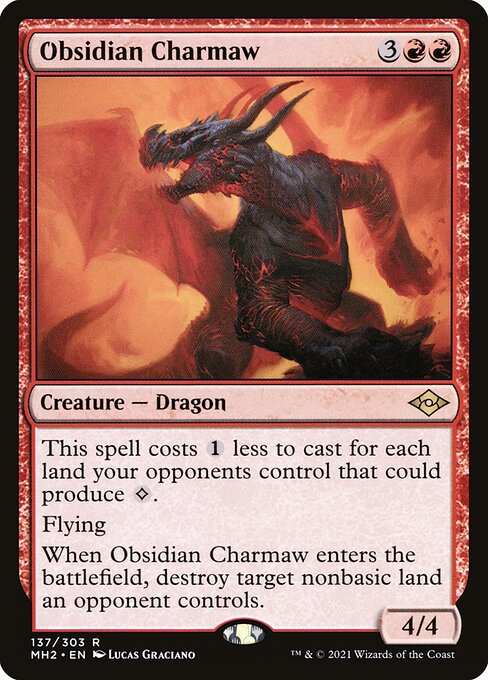
I keep a slightly strange hand. I don’t have Leyline or guaranteed Domain on turn two, but I do have Charmaw and three lands (a fetchland, Mountain and Arena ). I keep it because I have a clear plan: if Aurore plays the nonbasic lands I expect, I can cast Charmaw on turn three and give it haste with Arena .
And that’s exactly what happens!
Charmaw enters the battlefield and destroys one of her lands. Surprisingly, she doesn’t find Dismember or Ugin to remove it, so I can keep attacking and applying pressure.
To top it off, I draw both of my Phelia during the game. I attack with them whenever I can, using their ability to blink Charmaw and destroy another of her lands. A few times I know my Phelia will die in combat, but I don’t mind: Charmaw ’s effect is well worth the sacrifice.
I end up destroying three or four lands. With no mana to develop her game plan, Aurore has no way back, and I win.
A very unusual game, where a sideboard card combined with Phelia proved more decisive than the deck’s usual threats.
4-1!
In round six I play Yannick, who’s on Simic Ritual, a deck I faced last year too.
Back then I lost 1-2, and one of the cards that caused me the most trouble was Harbinger of the Seas , which turns all nonbasic lands into Islands.




Game 1
The game begins with a decent hand, though nothing explosive.
Yannick plays Harbinger . Last year that creature was a death sentence for my deck, and this year it could be a serious problem too, given my Domain Zoo mana base has 20 nonbasic lands and only two basics.
Fortunately, I can flash in Phelia in response.
On my next turn I attack with Phelia and blink the Harbinger . While it’s exiled, my lands regain their abilities, and I can sacrifice a fetchland to find a basic land. I repeat this on the following turn, finding a basic Mountain and Plains. That secures the colours I need to keep playing and even lets me remove the Harbinger with Ending .
From there I can develop my board, and Yannick concedes.
Game 2
I have a hand with Leyline and Scion . One of those hands that looks like it can win all by itself.
Although I could play Scion on turn two, I decide not to rush, keeping Stubborn Denial up and waiting until turn three.
When I finally play it, Yannick assesses the situation and concedes immediately, still at 20 life. He has no answer to the creature.
That was a quick win!
5-1. One round to go!
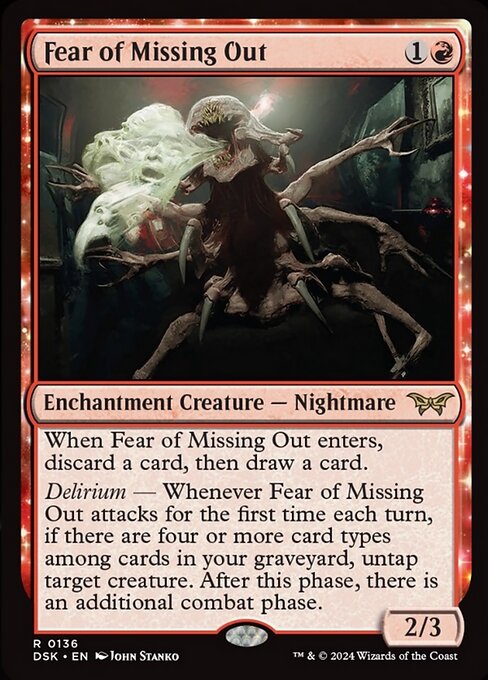
I play the final round against a very nice Italian guy named Martino. He’s on a Rakdos Midrange list with cards like Nethergoyf , Fear of Missing Out and some of the new cards from Reality Fracture.




Game 1
We both mulligan: I go to six and he goes to five.
My opponent develops his creatures and I answer with Bolt and Binding , keeping his board under control.
Meanwhile, I chip away at his life total. It also helps that he deals quite a bit of damage to himself with fetchlands, shocklands and a Thoughtseize .
Between his own damage and my attacks, I win the first game fairly easily, finishing at 20 life.
Game 2
Before sideboarding, Martino asks if I’m okay with him calling a judge to clarify an interaction he’s unsure about. I say of course, and he gets up to speak to the judge. I only bring in one Rest in Peace .
The second game is much closer and more tense. He plays a new Reality Fracture card I knew from Arena drafts: Dark Matter Manipulator , a one-mana 1/2 black creature that mills three cards when it enters the battlefield and gets +2/+0 for every seven cards in its controller’s graveyard.

The creature slowly chips away at me. Thanks to my Rest in Peace on the battlefield, it stays a 1/2 throughout the game, and I hesitate several times over whether to spend a Bolt on such an apparently harmless creature. I try to answer by attacking with Phelia , even though I don’t have any especially useful permanents to blink.
The game drags on as we both look for a way to break the stalemate. We remove each other’s threats, except for the 1/2. Looking back at my notes of my life total, I see the sequence 15, 14, 13, 12, 11, 10, 9, 8, 7, 6, 5, 2… and realize I should have fired the Bolt I had in hand.
Just when it seems I might still have a chance to win, he finishes me off with a Bolt .
It all comes down to game three!
Game 3
We both mulligan to five and joke that starting with five doesn’t feel so bad when we’re both in the same boat. The game starts with very few resources and turns into a close battle, with us constantly trading creatures and answers.
He gets stuck on two lands for a few turns and I don’t have Domain yet, but I cast two Binding for to exile a FOMO and a Moonshadow .
At one point I have Phelia and Teferi on the battlefield. My opponent has a Moonshadow that I want to remove with Ending . He responds with Flare of Malice , sacrificing Moonshadow to remove my Teferi . We resolve the play, I attack with Phelia , and pass the turn. He draws a card and finally plays his third land. That’s when I see my Teferi in the graveyard and realize my mistake: with Teferi on the battlefield, my opponent couldn’t cast an instant in response to Ending !
We call a judge. Since the game has moved on and my opponent has drawn a card, fixing it isn’t as simple as undoing the last action.
The judges eventually decide to perform a rollback. One of the five cards in my opponent’s hand is chosen at random and put on top of his library. We return to the moment Ending was on the stack, before the illegal response.
We both receive warnings: he for casting an instant when he couldn’t, and me for failing to maintain the game state properly and allowing the error to happen.
But the game goes on.
Martino, who had some mana trouble in the early turns, manages to play a Blood Moon .

Fortunately, I have a basic Plains, which lets me keep casting Phelia . I use her ability to exile Blood Moon temporarily several times, restoring access to the colours of mana I need, at least during my second main phase each turn.
Then comes one of the most interesting plays of the whole tournament.
I attack with Phelia and blink Blood Moon . At the beginning of the end step, the delayed trigger that returns Blood Moon to the battlefield goes on the stack. I respond with Consign , countering that trigger and keeping Blood Moon exiled for good. Martino isn’t sure the play works, so we call a judge.
The first judge to arrive initially agrees with him. But I’m convinced it works: Blood Moon ’s return is a delayed triggered ability that goes on the stack, and Consign can respond to it. I insist, and we ask the head judge to confirm.
The head judge confirms that the play is legal and that Consign can counter Blood Moon ’s return.
Fantastic! I’ve got rid of one of the cards making the game most difficult. But there’s another problem: time.
The round’s time limit has already passed, and the judge tells us we have only three additional turns to decide the winner. If we can’t finish the game, the match will be a draw.
Martino has very few resources. For the last few turns he’s had a Nethergoyf and a FOMO on the board, while I’ve been growing Phelia by blinking my own Rest in Peace . His creatures have been chump blocking my attacks, though, and I can’t close out the game.
My opponent has only a FOMO on the battlefield, and I have a 4/4 Phelia . He’s at six life.
At the end of his turn I surveil and see a Bolt on top of my library.
I hesitate for a moment, but decide to leave it there.
We reach the final turn.
I draw Bolt . I attack with Phelia and use her ability to exile my opponent’s FOMO .
With no blockers, Phelia connects and takes him down to two.
Then I cast Bolt .
Win!
It’s almost poetic: he won game two with a direct Bolt , and now I return the favour on the last possible turn of the final game of the tournament!
Martino congratulates me and graciously says he would have conceded at the end because I was clearly winning and a draw wouldn’t have helped either of us.
Another spectator also points out that I could have blinked my Leyline to give it a later timestamp than Blood Moon , a simpler way to remove its effect. I knew about that interaction, but it never crossed my mind!
Conclusion
I finish the tournament with six wins and one loss, a 12-6 game record, and fourth place in the final standings! Honestly, I never expected this: last year I finished 134th out of 144 players, with one win and seven losses, while this year I won six of my seven matches.
The deck is obviously a big part of the difference. Last year’s Budget Dino Whack was fun and could catch an opponent off guard, but it didn’t have the tools to compete consistently against the format’s best decks. Domain Zoo is a whole different story: the Leyline and Scion combination can practically win games on its own, but I also found that the deck has plenty of other ways to come out on top.
Kavu is a very efficient creature, Binding let me answer all kinds of threats, and Phelia was probably one of the cards that brought me the most joy during the tournament.
The Charmaw in the sideboard also deserves a special mention: the win against Eldrazi, destroying lands one after another with Phelia ’s help, was one of the most satisfying games of the day.
I learned a lot, too. The loss to Thomas reminded me that I still have plenty of room to improve, especially against experienced opponents. And my Teferi mistake in the last round shows how easy it is to miss an important interaction, even when you seem to have the game under control.
But I also take away a very positive experience from that final round. I correctly identified the interaction between Phelia and Consign and made my case to the judges, who ultimately agreed with me. It made me feel that I’m getting to know the deck’s subtleties better.
And above all, I’ll remember that last Bolt ! I can’t think of a much better way to end the tournament: finding exactly the card I needed on the last available turn and earning a win that left me 6-1 and in fourth place overall.
From almost last to fourth place in just one year.